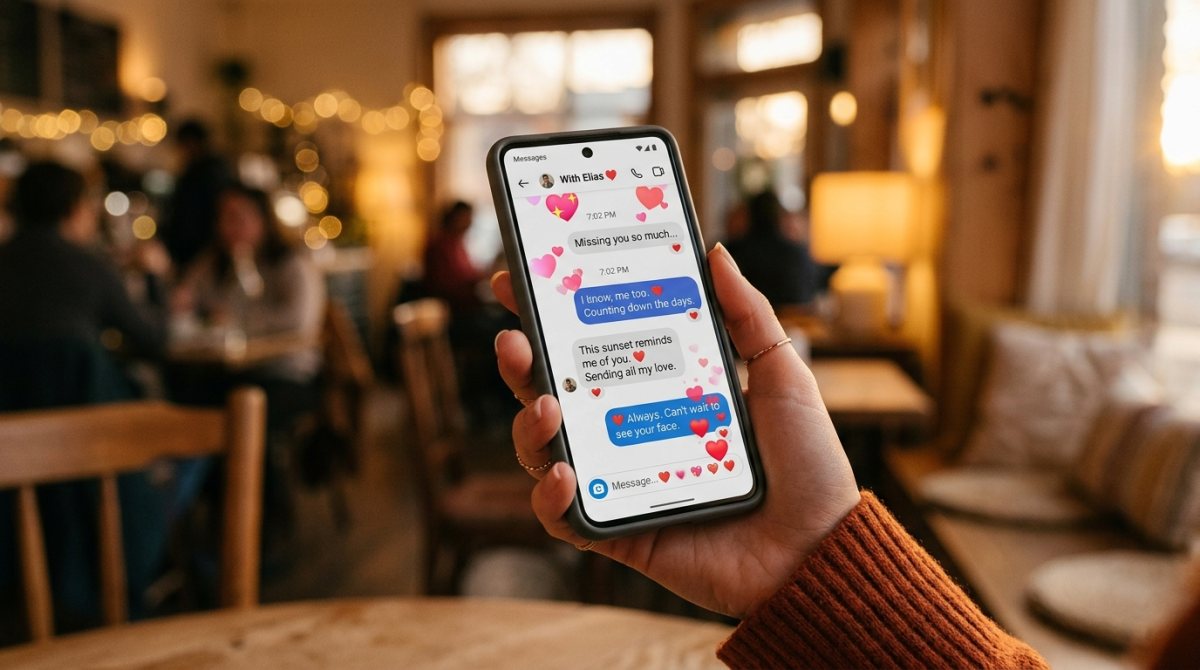
Messaging Between Spouses: Warmth Without a Face
Much of a modern marriage happens by text, where there is no tone of voice and no face to soften the words. Learning to message each other with warmth, and to read kindly, prevents needless wounds.
A surprising amount of a modern marriage now happens through a screen. Couples coordinate the day, share news, and sometimes work through feelings entirely by text, even while living in the same home. Messaging is convenient, but it strips away two things that carry most of human meaning: the tone of a voice and the expression on a face. A message has only bare words, and bare words are easily misread, especially between two people who matter deeply to each other.
Learning to message your spouse with warmth, and to read their messages with charity rather than suspicion, prevents a whole category of needless hurt. The same sentence that would land gently in person can feel cold on a screen, and a marriage gains a lot from couples who understand this.
The Marriage That Lives in the Chat
For many couples, a large share of daily contact happens in a running chat: reminders, questions, quick updates, small affections. This thread becomes a kind of shared space, and its tone matters. A chat full of only logistics and corrections feels very different from one that also carries warmth.
It is worth noticing what your messages to your spouse mostly contain. If they are nearly all tasks and complaints, the digital side of your marriage has quietly gone cold, even if the in-person side is fine.
Words Without a Face
In person, a hard sentence is softened by a smile, a gentle tone, a touch. On a screen, none of that exists. The reader supplies the tone themselves, and a worried or tired person will often supply a harsher tone than you intended. Your neutral message becomes, in their head, a cold one.
Knowing this changes how you write. A little extra warmth in a message, a softer word, a sign of affection, compensates for everything the screen strips away. What feels slightly over-warm to you often reads as simply normal to them.
How Tone Gets Lost in Text
A short reply like “ok” or “fine” can carry a dozen meanings in speech, sorted instantly by tone. In text it carries none of them, and an anxious reader will usually assume the worst: that you are annoyed, dismissive, or upset. A single curt word can spark a whole misunderstanding.
The fix is small. A few more words, or a warm sign, removes the ambiguity. “Ok, sounds good” lands completely differently from a lone “ok,” and the extra second it takes can save an evening of unnecessary tension.
The Danger of Serious Talks by Message
Some conversations should almost never happen by text. Hurt feelings, conflict, anything emotionally heavy is dangerous to handle on a screen, where tone is missing and each side can re-read and re-wound themselves with the same lines. A typed argument can spiral in ways a spoken one rarely would.
A wise habit is to move serious matters off the screen. A simple “let us talk about this tonight rather than by message” can prevent a small issue from exploding into a long, painful thread that neither of you can take back.
Short Replies and Imagined Coldness
Sometimes a brief reply just means a person is busy, not upset. But the spouse on the other end cannot see that you are in a meeting or driving; they see only a cold, short message and may spend hours wondering what they did wrong. The gap between your reality and their imagination causes real pain.
A tiny habit helps: when you genuinely cannot reply warmly, say so. “Swamped right now, will message properly later” reassures your spouse that the brevity is about your day, not about them. That small clarity prevents a lot of invented worry.
The Gift of a Warm Message in the Day
Just as a cold message can wound, a warm one can carry real comfort. A short message in the middle of the day, a kind word, a sign that you are thinking of them, reaches into your spouse’s hours apart from you and reminds them they are loved. It costs seconds and can lift a whole day.
These small messages are an easy, underused gift. You do not need eloquence; a simple “thinking of you” or “hope your day is going well” tells your spouse they live in your mind even when you are apart.
Reading Old Messages Into New Ones
One danger of written messages is that they can be re-read, and a hurt spouse may scroll back through old ones, re-living past wounds and reading today’s neutral message through the lens of yesterday’s pain. The permanence of text can keep old injuries alive.
It helps to read each message fresh, for what it says now, rather than as the latest entry in a long catalogue of grievances. And it helps the writer to repair past messages, so the thread is not a museum of every cold thing ever typed.
Voice Notes and Hearing Each Other
When a topic carries any feeling, a voice note is often far safer than text, because it restores tone. Hearing the warmth or gentleness in a spouse’s actual voice removes most of the misreading that plain text invites. Sometimes a thirty-second voice message prevents a thirty-minute misunderstanding.
For anything tender or sensitive, choosing voice over text is a small wisdom. It gives your spouse your real tone instead of leaving them to guess at it from cold letters on a screen.
When Not to Reply Immediately
The instant nature of messaging can pressure people into replying while still angry, firing off a sharp line they would never have said face to face. A message sent in anger cannot be unsent, and it sits there, re-readable, long after the feeling has passed.
Sometimes the kindest reply is a delayed one. Waiting until you can write calmly, or choosing to say “let us talk later” instead of arguing by text, protects the marriage from words typed in a moment of heat that do lasting damage.
Keeping Arguments Off the Screen
It is worth making a quiet rule, together, that real disagreements are not fought by message. The screen is simply the wrong place for it: no tone, no eye contact, no ability to soften in real time. Almost every couple has at least one painful memory of a fight that got far worse because it happened in text.
When an argument starts to brew in the chat, the wise move is to stop and take it offline. “I do not want to do this by message, let us talk when I am home” is one of the most marriage-saving sentences in the digital age.
Privacy and What Is Written Down
Messages are written records, and there is a wisdom in remembering that. Private matters between spouses are best kept private, and harsh words committed to text have a way of lingering and resurfacing. What is said and forgiven in speech can be harder to release when it sits permanently on a screen.
Treating the marriage’s private life with care, including in writing, is part of guarding its dignity. A couple protects something precious when they keep their intimacy, and their conflicts, out of permanent and shareable form.
Kind Words as a Small Charity
Islam teaches that a good word is itself a form of charity, and a kind message is no exception. A warm word sent to your spouse is a small good deed, lightening their day and strengthening the bond between you. Even in the smallest digital exchange, you can choose the kinder phrasing.
Seen this way, the tone of your messages is not a trivial matter of style but part of how you treat the person closest to you. Choosing warmth in your words, even on a screen, is a quiet act of the good character that faith encourages in the home.
Letting the Screen Serve the Marriage
Messaging is not the enemy of a marriage; thoughtless messaging is. Used well, the constant connection of modern life can keep a couple close through busy days, carrying small warmth back and forth that earlier generations never had. Used carelessly, it becomes a source of cold misreadings and typed wounds. The difference lies in a few simple habits: writing with extra warmth, reading with charity, moving hard talks to voice or in person, and never letting the chat become only a list of tasks. Handled with a little care, the screen becomes one more thread tying two people together, rather than one more place a marriage quietly goes cold.