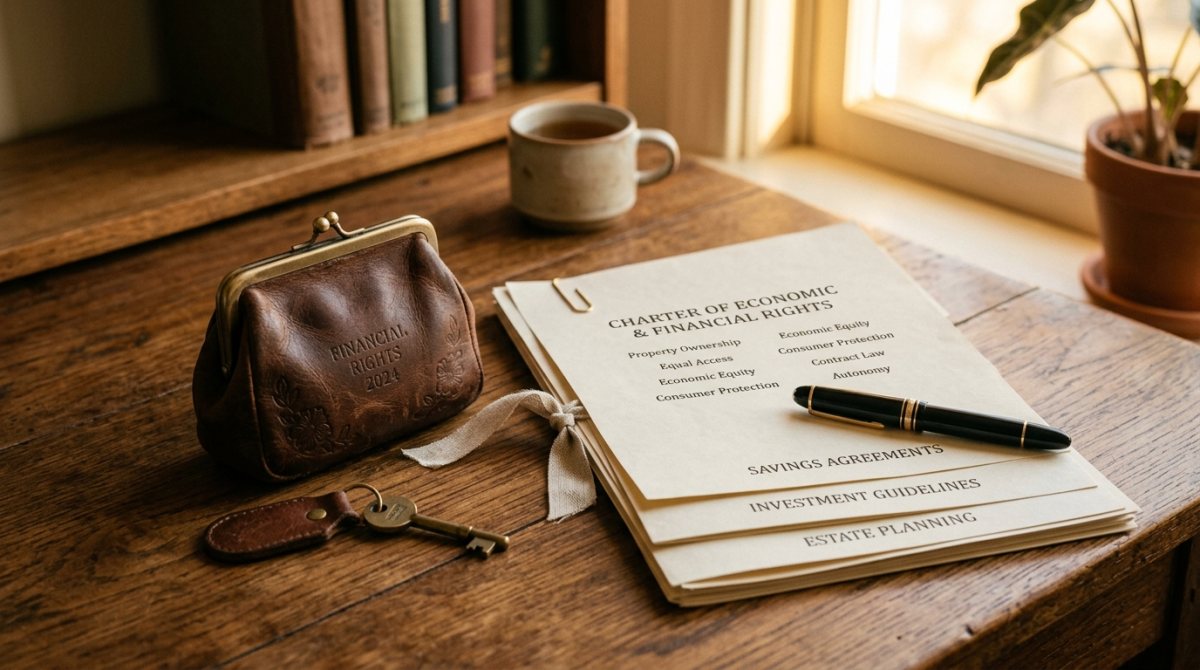
Maintenance and the Woman’s Financial Rights in Islam
Maintenance is a duty upon the husband, and a woman’s wealth is purely her right. What is the reality of a woman’s financial rights in Islam?
Among the clearest expressions of Islam’s honouring of women is its financial system that protects her right and preserves her dignity. In Islam a woman has an independent financial identity, the right of maintenance from her husband, and her own wealth is hers alone, shared by no one. These rights are not a favour but justice, and understanding them correctly protects the woman from injustice and builds the home on a foundation of clarity and stability. This article clarifies a woman’s financial rights, away from confusion, excess and neglect.
Maintenance Is a Right, Not a Favour
Maintenance for the wife is a religious duty upon the husband, including food, clothing and housing in a reasonable manner. It is the woman’s right, not a favour from the man nor a gift. Allah says: “Upon the father is the mothers’ provision and clothing in a reasonable manner.” A husband who pays maintenance willingly begins his home on a foundation of justice and faithfulness, and a woman who knows this right feels secure and at peace.
An Independent Financial Identity
Among the greatest ways Islam honoured the woman is that it gave her an independent financial identity; her own wealth — from dowry, inheritance or earnings — is hers alone, which she disposes of as she wishes, and neither the husband nor anyone else has the right to take it except with her willing consent. This financial independence protects the woman’s dignity and provides her security, and it preceded many modern systems by centuries.
A Woman’s Wealth Is Not Obligated for Spending
Part of complete honouring is that the woman is not religiously obligated to spend on the home even if she is wealthy; maintenance is the man’s duty. If a woman spends from her wealth, it is a favour and kindness from her for which she is rewarded, not a duty upon her. This balance preserves the woman’s dignity, prevents her exploitation, and makes her giving — if she gives — love rather than obligation.
Justice, Not Injustice
Financial rights are fulfilled by the scale of justice, not injustice. The man is not deprived of his right to good shared management, nor is the woman wronged by being denied her right. A happy home is not one where each clings only to the letter of their right, but one where the couple cooperate in a team spirit while preserving rights. Rights are a fence for justice, while kindness rises above it to affection.
Financial Clarity Protects the Home
Many marital disputes are caused by financial vagueness that could have been avoided. Clarity in financial rights and duties from the start protects the home from conflict. The couple should agree frankly on managing money, while respecting each other’s rights. A woman who knows her rights, and a man who fulfils them willingly, build a calm home far from the money disputes that exhaust households.
Practical Tips
Learn your financial rights and duties before marriage. Talk frankly about managing money and maintenance. Respect the woman’s financial independence. Cooperate in a team spirit while preserving rights. And avoid the vagueness that breeds suspicion. These steps build a healthy financial relationship that protects both parties’ dignity and the home’s stability.
Conclusion
A woman’s financial rights in Islam are honour and justice: obligatory maintenance upon the husband, an independent financial identity, and private wealth untouched except with her willing consent. Understand these rights and fulfil them with justice and kindness, and make financial clarity a foundation of your home. Whoever builds their home on justice and clarity is granted stability and blessing by Allah.